The Illusion of Luck in Casinos
Luck is often regarded as a mystical force that dictates the outcomes in casinos. Players frequently believe they are either lucky or unlucky, attributing their wins and losses to this elusive concept. However, the reality is shaped by psychological biases and cognitive perceptions rather than sheer chance. The belief in luck is a powerful motivator that can significantly influence gambling behavior, leading players to make irrational decisions based on their perceived odds of winning. For example, some players try their strategies based on whims and may even turn to the best online casinos canada for their gaming choices.
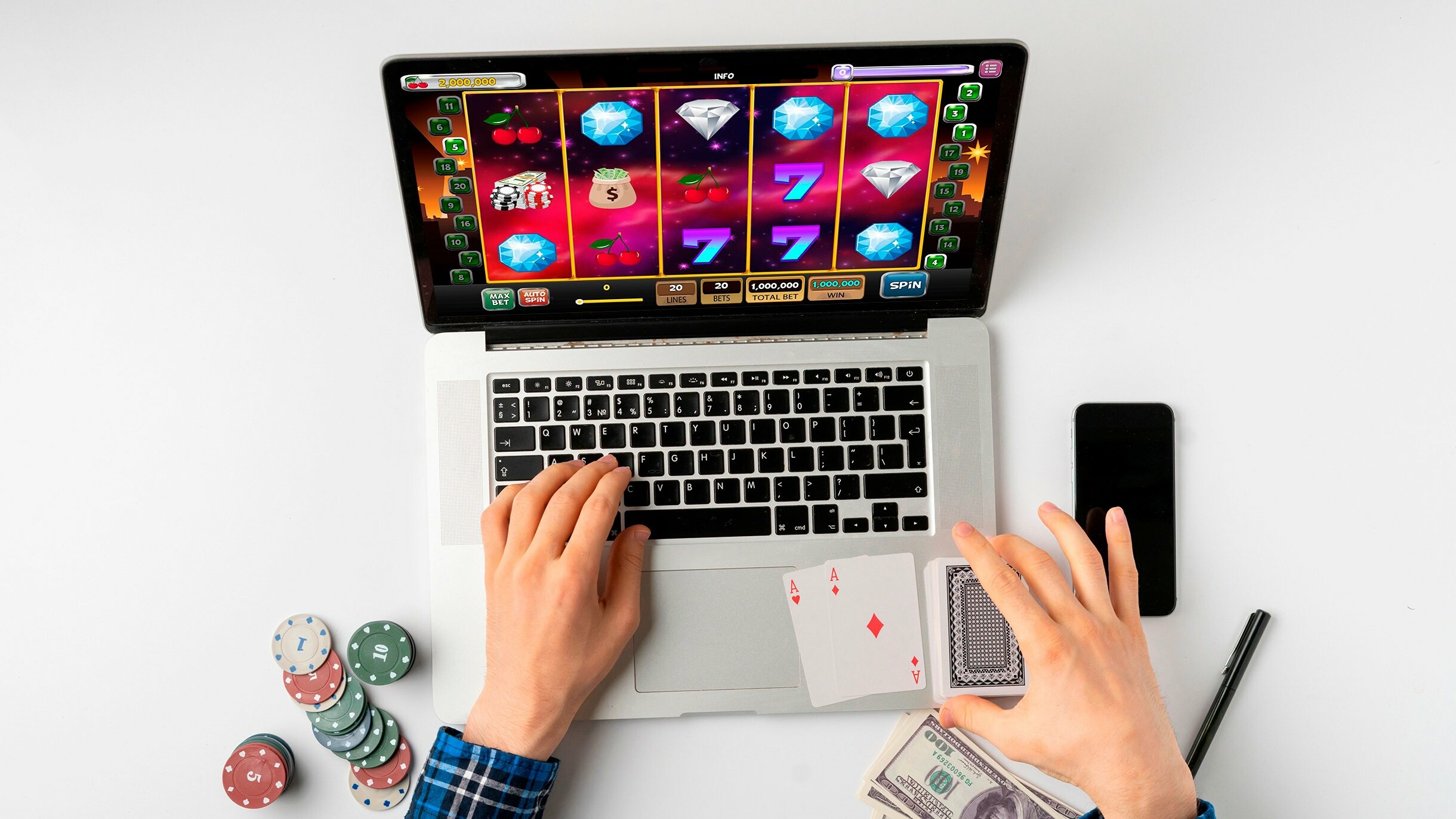
This illusion of luck can encourage a gambler’s fallacy, where individuals mistakenly believe that past outcomes affect future results. For instance, if a player observes a series of losses on a slot machine, they might feel that a win is due. This belief can lead to excessive betting and prolonged gambling sessions, driven by the hope of a forthcoming lucky streak. Understanding this psychological aspect is crucial, as it can have significant implications for responsible gambling practices.
The Role of Emotions in Gambling
Emotions play a critical role in the gambling experience, often influencing players’ decision-making processes. High-stakes environments, such as casinos, can evoke intense feelings of excitement, anxiety, and anticipation. These emotions can cloud judgment, pushing individuals to chase losses or indulge in risky bets that they would typically avoid in a more rational state of mind. The adrenaline rush associated with potential wins can create a cycle of thrill and despair, altering how players perceive luck.
Moreover, the concept of “near misses,” where players almost win, can exacerbate these emotional responses. Such instances often result in heightened motivation to continue playing in hopes of achieving a full victory. The emotional rollercoaster experienced during gambling can lead to a distorted sense of luck, contributing further to a player’s belief that they can influence the outcomes of events that are fundamentally random.
The Influence of Environment on Perception
The environment of a casino is meticulously designed to enhance the perception of luck and success. From flashing lights to engaging sounds, every element aims to create an atmosphere that reinforces the idea of winning. This sensory stimulation can trick the brain into associating positive feelings with gambling, further entrenching the belief in personal luck. When players are surrounded by others celebrating wins, it can amplify their own expectations and perceptions regarding their chances of success.
Additionally, the presence of promotional activities and bonuses can play a pivotal role in shaping players’ beliefs about their luck. These incentives are often marketed in ways that suggest customers are on the brink of a big win, fostering an environment where players feel empowered to bet more. This can culminate in a potent mix of excitement and expectation, influencing how individuals approach their gaming experience and view their potential for success.
The Psychological Impact of Winning Streaks
Winning streaks can significantly alter a gambler’s mindset, often leading to an inflated sense of confidence and an increased belief in one’s luck. This phenomenon, known as the “winner’s effect,” can create a cycle where successful outcomes lead to more gambling as players seek to replicate their victories. The longer the streak, the stronger the belief in personal prowess, which can overshadow the inherent randomness of gambling activities.
However, it is vital to recognize that winning streaks are temporary and heavily influenced by chance. When players experience a downturn following a series of wins, it can lead to feelings of frustration and a desperate attempt to regain lost money, further compounding the psychological impact of luck. Understanding this cycle is essential for maintaining a healthy approach to gambling, as it highlights the need for balance and self-awareness in a game often perceived to be governed by luck.

Understanding Casino Solutions for Responsible Gaming
As the discussion around casino luck and psychology evolves, so too does the importance of understanding responsible gaming practices. Online platforms and physical casinos are increasingly implementing tools and resources designed to help players manage their gambling behaviors. These solutions are aimed at fostering a healthier gambling environment, acknowledging the psychological aspects that can drive compulsive behaviors and the belief in luck.
By prioritizing player welfare through educational resources, alerts, and self-exclusion options, casinos can contribute to a more balanced approach to gaming. Recognizing the psychological factors at play is crucial, not only for individual players but also for the industry as a whole to create a safer and more transparent gambling experience. As we explore the complex relationship between luck, psychology, and gambling, it becomes vital for stakeholders to engage actively in promoting responsible gaming practices.